One-Person Ministry Is Not the Biblical Model
A church where one person preaches, counsels, visits, evangelizes, organizes, leads, and solves every problem may look productive—but it is not the picture of the Church Christ designed.
The biblical model is not one exhausted leader carrying the ministry while everyone else attends.
It is an equipped, functioning Body in which every believer discovers their place, develops their gifts, and participates in the work of ministry.
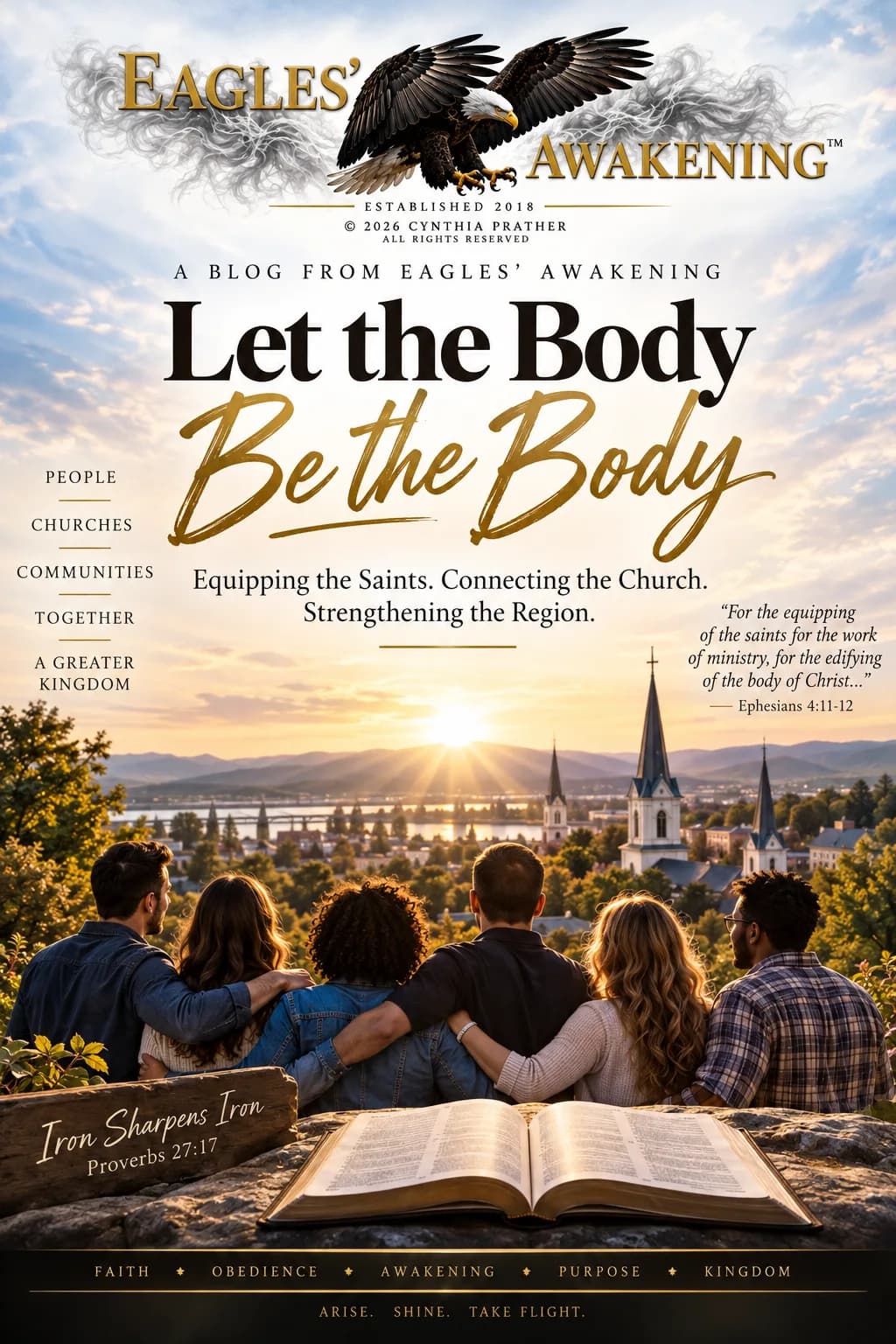
Ephesians 4:11–12 tells us that Christ gave apostles, prophets, evangelists, pastors, and teachers “for the equipping of the saints for the work of ministry, for the edifying of the body of Christ.”
Notice who is supposed to do the work of ministry.
The saints.
The leaders are called to equip them.
That changes everything.
From Attenders to Disciples
Discipleship is more than teaching someone information about the Bible.
True discipleship helps people discover who they are in Christ, recognize what God has placed inside of them, mature in their faith, and learn how to use their gifts to serve others.
Every believer carries something valuable.
Some have a heart for evangelism.
Some naturally shepherd people.
Some love teaching Scripture.
Some are intercessors.
Some are worshipers.
Some are builders, organizers, encouragers, administrators, givers, servants, or leaders.
The question should not simply be:
“How can we get more people to help with our church programs?”
A better question is:
“What has God placed inside these people, and how can we help them become who He created them to be?”
That is where discipleship becomes personal.
Sometimes it begins with sitting down with someone and simply asking:
What is God showing you?
What burdens your heart?
What brings you joy?
What needs do you notice that other people seem to overlook?
What gifts do you believe God has placed inside of you?
Tools such as spiritual-gifting assessments, love-language assessments, and other discipleship tools can help begin the conversation.
Those tools do not determine a person's calling.
God does.
But they can help people recognize patterns that may have been present all along.
Discovery Must Lead to Activation
Knowing your spiritual gifts is wonderful.
But discovering your gifts is only the beginning.
Eventually there must be an opportunity to use them.
Someone with an evangelistic calling needs opportunities to evangelize.
Someone with a pastoral heart needs opportunities to care for people.
Someone gifted in worship needs room to develop.
Someone called to teach needs opportunities to study, grow, and eventually teach.
Someone with leadership ability needs mentoring and responsibility.
This is how ministry teams begin to form.
Evangelism teams.
Worship teams.
Pastoral-care teams.
Prayer teams.
Teaching teams.
Outreach teams.
Discipleship teams.
Instead of one person trying to carry everything, the Body begins functioning together.
Leaders Were Never Supposed to Do Everything
One of the greatest dangers in ministry is believing that being responsible for something means we must personally control everything.
Sometimes leaders hold tightly because they want to protect the ministry.
Sometimes they have been hurt.
Sometimes they are afraid someone will make a mistake.
Sometimes they simply do not know another way.
But discipleship requires release.
People cannot learn to lead if they are never trusted with responsibility.
They cannot discover their gifts if there is never room to use them.
They cannot mature if leaders do everything for them.
Healthy leadership says:
“I will teach you.”
“I will walk with you.”
“I will correct you when necessary.”
“I will encourage you.”
“And eventually, I will trust you to do what God has called you to do.”
That is how disciples become leaders who can disciple others.
Let the Evangelist Evangelize
When every ministry function falls on one person, leaders eventually become exhausted.
An evangelist trying to carry the full responsibility of a pastoral role may spend so much time maintaining the church that there is little time left to evangelize.
A pastor may become so buried in administration that there is little time left to shepherd.
A teacher may spend more time solving organizational problems than studying and teaching.
An apostolic builder may become stuck maintaining something that others should have been equipped to carry.
The answer is not simply finding more volunteers.
The answer is raising disciples.
When the saints are equipped, leaders are freed to function more fully in the grace God has given them.
And the entire Body becomes stronger.
The Body Is Bigger Than One Local Church
But this vision cannot stop at the doors of one congregation.
We also have to ask:
“What is God doing in His Body throughout this community?”
And:
“What is God building throughout this city or region?”
One local church does not contain every gift.
One pastor does not carry every grace.
One ministry does not have every answer.
God may place different strengths in different congregations.
One church may have a strong evangelistic grace.
Another may have an exceptional shepherding and pastoral-care ministry.
Another may be strong in worship.
Another may be strong in discipleship.
Another may have mature teachers.
Another may carry a powerful prayer ministry.
Another may be reaching people that other churches are not reaching.
What if, instead of competing, we learned from one another?
What If Churches Cross-Trained Each Other?
Imagine pastors and ministry leaders saying:
“Our church is strong in evangelism. Let us help train the evangelists in your congregation.”
Another church might say:
“We have mature pastoral-care leaders. Send some of your developing shepherds to learn alongside us.”
Another might say:
“Our worship team has learned how to develop young worship leaders. We would love to help yours.”
Another might help train intercessors.
Another could equip teachers.
Another might excel in outreach, children's ministry, administration, missions, or discipleship.
That is not competition.
That is the Body of Christ supplying what each part needs.
We talk about unity, but unity has to become more than pastors meeting occasionally for prayer.
What would happen if we actually shared what God has placed in our churches?
What if we cross-trained one another?
What if we celebrated another church's strength instead of feeling threatened by it?
What if we helped one another raise mature believers throughout the region?
Sometimes Another Church May Be the Better Fit
This requires something else from leaders:
Security.
Sometimes the healthiest thing we can do for a person is admit that another congregation may be better equipped to develop the particular gift God has placed in them.
If someone has a strong evangelistic call and another ministry in the community has mature evangelists actively reaching people and training others, perhaps that believer needs opportunities to learn from them.
If someone carries a genuine shepherd's heart, perhaps they would benefit from serving alongside pastors and caregivers who know how to shepherd people well.
If someone is called into an area your congregation is not equipped to develop yet, connecting them with someone who can help them should not be viewed as losing a person.
It should be viewed as equipping the Body.
Our people do not belong to us.
They belong to Jesus.
The goal cannot be keeping every person in our building at all costs.
The goal must be helping believers become who God created them to be.
We Cannot Build Walls Around the Sheep
Church members should not feel as though visiting another congregation is betrayal.
Serving with another ministry should not automatically be treated as disloyalty.
Learning from another pastor should not be threatening.
Participating in a regional prayer gathering, worship event, outreach, Bible study, training school, or ministry team should not automatically create suspicion.
Of course, healthy relationships, accountability, communication, and good leadership still matter.
But there is a difference between healthy spiritual oversight and controlling people.
We should be secure enough to say:
“Go learn.”
“Go serve.”
“Go help them.”
“Bring back what you learn.”
“Maybe you can teach us something too.”
That is how the whole Body becomes stronger.
Not Every Person Has to Fit Our Particular Vision
Every local church needs vision.
But sometimes we can become so focused on our church's vision that we forget there is a larger Kingdom assignment happening around us.
A person may love God, honor their leaders, and still carry a calling that does not perfectly fit what one congregation is building.
That does not necessarily make the person rebellious.
And it does not necessarily mean the church has failed.
Perhaps that person is one piece of something God is building regionally.
Maybe God is connecting ministries.
Maybe He is forming relationships between churches.
Maybe He is raising an evangelist who needs to work with several congregations.
Maybe He is developing a worshiper who will serve throughout the region.
Maybe He is calling someone to a ministry that has not even been created yet.
Apostolic discipleship must make room for that.
We Have to Think Regionally
Instead of only asking:
“How do we grow our church?”
Perhaps we should also ask:
“How do we strengthen the Church in our city?”
Instead of:
“How do we keep our people?”
Perhaps:
“How do we equip God's people?”
Instead of:
“How do we build our ministry?”
Perhaps:
“What is God building throughout this region, and what part has He asked us to play?”
That changes the conversation.
Now churches can celebrate one another.
Pastors can learn from one another.
Ministry teams can train together.
Evangelists from several congregations can reach the community together.
Intercessors can pray together.
Worshipers can worship together.
Pastoral leaders can help care for hurting people together.
Teachers can help equip believers together.
Apostolic leaders can recognize where the pieces connect and help build structures that support what God is doing beyond one congregation.
Part of My Calling Is Helping Churches Build This
This is where my calling as an apostolic discipleship pastor comes in.
I do not believe I am simply called to teach people what discipleship should look like.
I believe I am called to help churches implement it.
That may mean coming alongside a pastor or leadership team and helping them build a discipleship process within their congregation.
It may mean bringing a discipleship class into a church and walking people through identity in Christ, spiritual gifts, calling, relationships, service, leadership, and activation.
It may mean sitting down individually with believers and asking:
What is God showing you?
What has He placed inside of you?
Where are you growing?
Where do you feel called to serve?
What gifts are beginning to emerge?
From there, we can use tools such as spiritual-gifting assessments, love-language assessments, prayer, conversation, observation, and practical ministry opportunities to help people recognize where they may fit within the Body.
Then we begin helping them move from discovery into development.
Who can mentor them?
Where can they serve?
What team could they begin working with?
What kind of training do they need?
Is there someone within their own church who can help develop them?
Is there another church or ministry in the community that carries a strong grace in that area and could help cross-train them?
This is where apostolic discipleship becomes very practical.
It is not just teaching a six-week class and leaving.
The goal is to help establish a structure that the local church can continue.
A healthy discipleship ministry should eventually be able to reproduce itself.
The people being discipled today should become some of the people discipling others tomorrow.
Emerging leaders should begin mentoring newer believers.
Ministry teams should begin developing future leaders from within those teams.
The pastor should not have to personally carry every relationship or every ministry.
The structure should begin to support the people instead of one person trying to support the entire structure.
I Am Not Coming to Take Over a Church
My role is not to walk into another pastor's church and tell them how to run it.
It is to come alongside what God is already doing.
Every congregation has its own history, culture, leadership, assignment, strengths, and areas where it is still developing.
An apostolic discipleship pastor can help ask questions such as:
What has God already placed here?
Who are the emerging leaders?
Where are the hidden gifts?
What ministries are already trying to emerge?
Where is the pastor carrying something that someone else could be trained to carry?
Which people need mentoring?
Which teams need to be developed?
Where could this church partner with another church instead of trying to build everything by itself?
And what systems need to be put in place so discipleship continues after the class is finished?
Sometimes my role may be teaching.
Sometimes it may be coaching.
Sometimes it may be helping organize ministry teams.
Sometimes it may be meeting with individuals.
Sometimes it may be helping leaders identify and develop other leaders.
Sometimes it may be connecting one church with another church that carries a strength they need.
Sometimes it may simply be helping a pastor see the gifts that are already sitting in the congregation every Sunday.
The goal is not dependence on me.
The goal is a healthier, stronger, functioning Body.
Build It, Equip It, and Release It
Apostolic ministry should not make people dependent upon the apostolic leader.
It should help establish something that can continue growing.
I want to help churches develop discipleship ministries they can eventually carry themselves.
Teach people how to disciple.
Teach leaders how to recognize gifts.
Develop ministry teams.
Raise up team leaders.
Create opportunities for activation.
Build relationships with other churches.
Cross-train where necessary.
Then release people to do the work of ministry.
That is multiplication.
And that is one of the reasons this kind of discipleship has to go beyond one congregation.
If one church raises strong evangelists, those evangelists can bless an entire community.
If another church develops strong shepherds, they can help train others.
If another develops mature intercessors, teachers, worshipers, or leaders, that strength can become a gift to the wider Body.
We do not have to duplicate everything.
We can share what God has given us.
This Is the Heart of Apostolic Discipleship
This is one of the deepest burdens God has placed in my heart.
I want to see believers discover who they are in Christ.
I want to help people recognize the gifts God has already placed inside them.
I want those gifts developed instead of buried.
I want believers activated instead of merely attending.
I want leaders equipped instead of exhausted.
I want evangelists released to evangelize.
Pastors free to shepherd.
Teachers free to teach.
Worshipers free to worship.
Intercessors free to pray.
Apostolic builders free to build, establish, connect, and send.
I want to help pastors create discipleship structures that actually equip their people.
I want to bring discipleship training into churches that want help developing their people.
I want to help identify emerging leaders and ministry teams.
I want to help churches connect and cross-train instead of competing.
And I want to help establish systems that remain long after a class or training event is finished.
Sometimes we will train people who remain with us.
Sometimes we may help prepare someone who eventually serves somewhere else.
Sometimes another church may help develop someone from our congregation.
Sometimes we may discover that God put something in another ministry that we desperately need.
That should not threaten us.
That should excite us.
Because if another part of the Body becomes stronger, the Body becomes stronger.
This is bigger than building successful churches.
It is about building mature disciples, healthy leaders, connected ministries, and a functioning Body of Christ throughout our communities.
We learn together.
We grow together.
We serve together.
And we go together.
That is the heart of apostolic discipleship.